
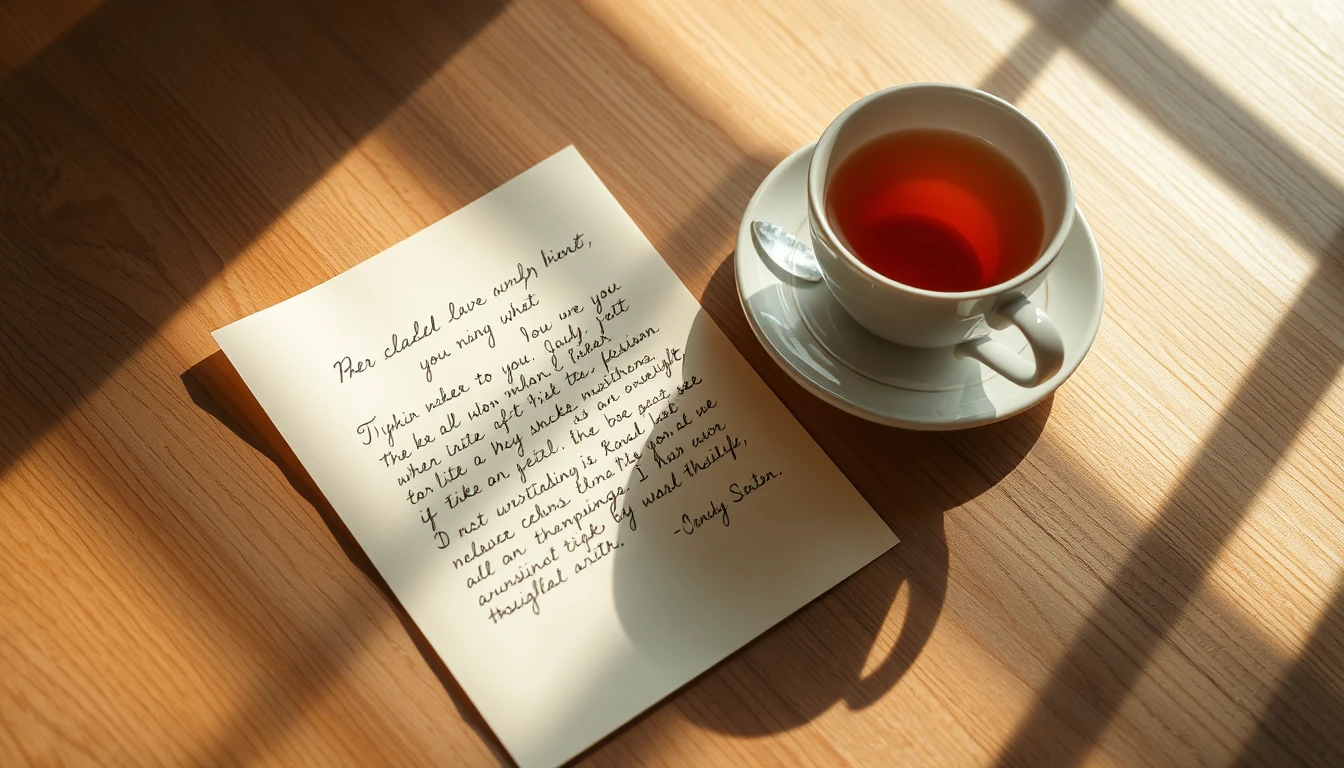
When you start looking at adoptive families, you'll read a lot of letters addressed to you. They're usually called "Dear Birth Mother" letters, and they're the profiles families write hoping you'll choose them.
Reading them is a strange experience. Strangers are describing their kitchens and their dogs and their hopes to a woman they've never met, and that woman is you. Some of them are polished. Some are awkward. Almost all of them are trying, badly or well, to say things that are genuinely hard to put into words.
Here's what's usually underneath them, and what adoptive families consistently say they wish they'd been able to tell birth mothers directly.
They Know What You're Giving, and It Doesn't Sit Lightly
The single most common thing adoptive parents say is that they think about you constantly, particularly in the early years, and that their happiness came out of your hardest moment.
They're aware of that. Most describe carrying it as a kind of permanent gratitude that never fully resolves into comfort, because the same event that built their family cost you something enormous. Adoptive families rarely describe this as a clean happy ending. They describe it as something they hold carefully.
If the fear underneath your decision is that your child will be raised by people who don't appreciate what happened, that fear is largely unfounded. It's close to the only thing every adoptive family agrees on.
They Talk About You to Your Child
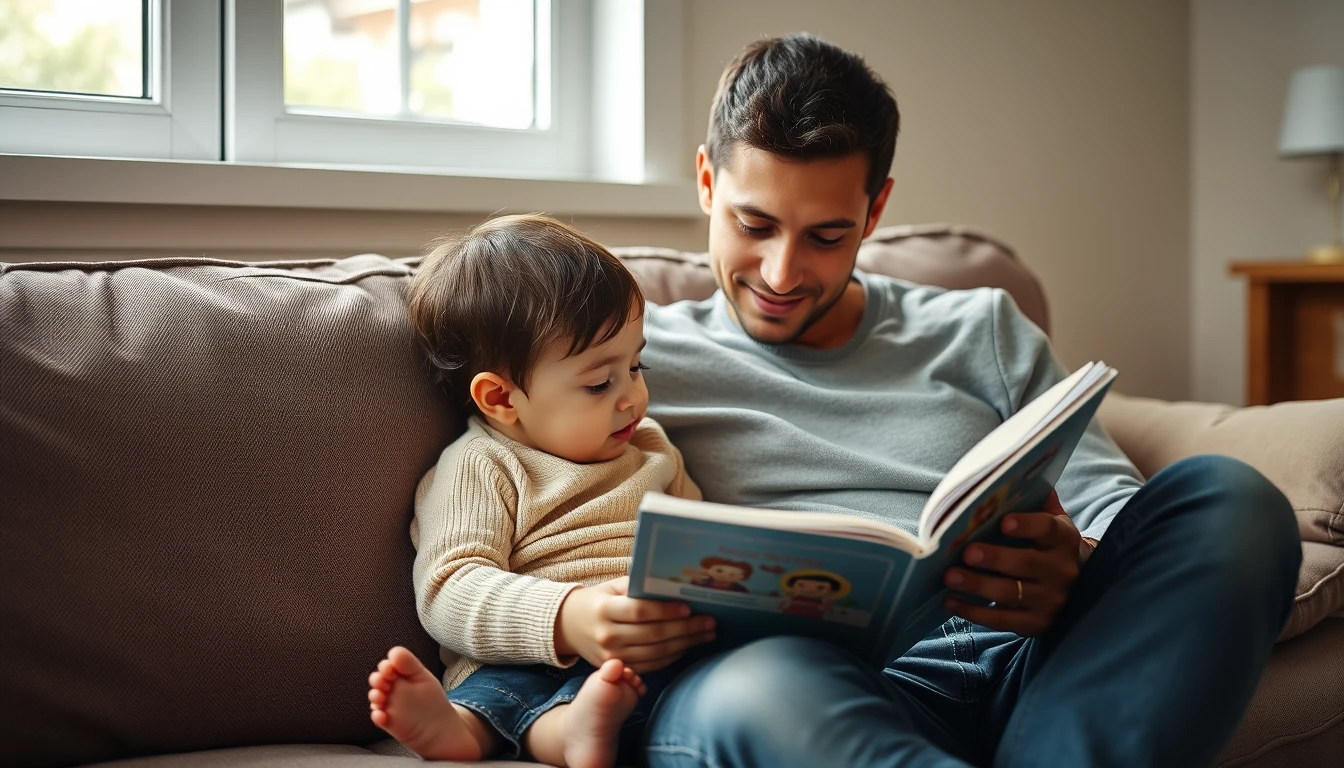
Families raising children in open adoption talk about the birth mother routinely, in ordinary conversation, from the beginning.
Your child grows up knowing your name, seeing your photograph, and hearing about you as a real person rather than a secret. There is no dramatic revelation later, because there's nothing to reveal. Many families keep a book of your letters and photos, read at bedtime alongside everything else.
The way they describe you to your child, in almost every case, is as someone who loved him or her and made a decision out of that love in a hard situation. Not someone who gave a baby away. That distinction is the one that shapes how your child understands their own story, and adoptive families take it seriously. We wrote about why that language matters in what it means to place a baby for adoption.
They Want the Openness You Want, Not More or Less
A worry that stops a lot of women: what if they promise contact and then disappear? And its opposite: what if they want more of me than I can manage?
Adoptive families in open adoptions overwhelmingly report wanting whatever level of contact you're comfortable with, and being anxious about getting it wrong in either direction. Many describe hesitating to send updates in case they're intruding, while the birth mother waits, wondering why she hasn't heard anything.
Say what you want plainly, and say it again later if it changes. Openness is not a fixed contract signed once. It commonly starts one way and settles somewhere else as everyone finds their footing. Open vs. closed vs. semi-open adoption covers what each level looks like, and what open adoption really looks like covers the reality of living it.
They Do Not Think of You as a Failure
Adoptive parents are, almost by definition, people who wanted a child badly and could not have one the usual way. Most spent years on that. It leaves them with very little appetite for judging anyone else's circumstances.
What they see when they read your situation is not irresponsibility. It's a woman doing something difficult and clear-eyed. Several describe being humbled by it in a way they didn't expect.
Reading Profiles Without Losing Yourself

A practical note, because the profiles can be disorienting.
They're written to be liked. That's their purpose, and it can make every family read as equally lovely and leave you with no basis to choose. A few things that help:
- Decide what actually matters to you first, before you read anything. Faith, other children, whether a parent is home, where they live, whether you could visit.
- Look for specifics over adjectives. "We hike most Saturdays with the dog" tells you more than "we are a loving, adventurous family."
- Notice how they talk about you. Families who write about the birth mother with respect and without pity are usually the ones who will keep doing that for eighteen years.
- You are allowed to say no. To all of them. There is no obligation to choose from the first set you're shown, and no quota to meet.
- Ask to meet them. In person or on video. A twenty-minute conversation tells you things no letter will.
Our guide to choosing the right family for your baby goes deeper, and our choosing a family page explains how the process works with us.
What a Dear Birth Mother Letter Is Actually Trying to Say
It helps to understand what these letters are, because the format shapes how they read.
A Dear Birth Mother letter is a profile the adoptive family writes and their agency shares with expectant mothers. Writing one is genuinely difficult. Adoptive parents describe sitting with a blank page trying to introduce themselves to someone whose situation they can't imagine, knowing that the wrong sentence might read as pitying or presumptuous. Most rewrite them many times.
Because of that, the writing can come out stiff. A family may sound formal on the page and be completely warm in a video call. Try not to eliminate someone on prose style alone.
What the gratitude in those letters is doing is also worth naming. Adoptive parents frequently open with thanks, and to some birth mothers that reads as premature, as though a decision has been assumed. It usually isn't meant that way. What they're trying to say, clumsily, is that they know what this would cost you and they don't take it lightly. Read gratitude as respect rather than as pressure.
A few things adoptive families wish they could say in their own words but rarely manage to fit into a letter:
- They will tell your child the truth about you, always.
- They are not trying to replace you, and they don't think of it that way.
- They will follow your lead on how much contact you want.
- They know your decision is not final until it's final, and they accept that.
- They would rather you choose a different family than choose them uncertainly.
What They Never Want You to Feel
Adoptive families say this consistently: they do not want you to feel that you owe them anything.
Not gratitude, not contact, not a particular emotion at the hospital, not a brave face. If you grieve, they expect that. If you change your mind, they understand it, and every family that enters this process is told from the beginning that you can change your mind during the period before consent is final. That possibility is part of what they accepted when they chose adoption. It is not a betrayal of anyone.
The Open Arms Perspective
We're a small agency serving Washington, Arizona, and Idaho, and members of our staff have lived adoption personally. That's the reason we can tell you what families are actually thinking rather than what a brochure says.
It's also why we don't romanticize this. Adoptive families are ordinary people, not saints, and choosing one is not choosing a perfect life for your child. It's choosing a family you have real reasons to trust, with the information and the time to look properly. We'll arrange whatever meetings you want, tell you honestly what we know about the families, and never push you toward one because they've been waiting longer.
Every part of this stays yours to decide, at your pace, including deciding not to.
When You're Ready to Look
There's no commitment involved in seeing profiles, and looking doesn't start anything. Plenty of women want to see who's out there long before they've decided anything.
Call or text 206.492.4196 any time, day or night. It's always free for you, and there's no pressure and no judgment. You can also contact us here or read through our resources for expectant mothers whenever you want.