
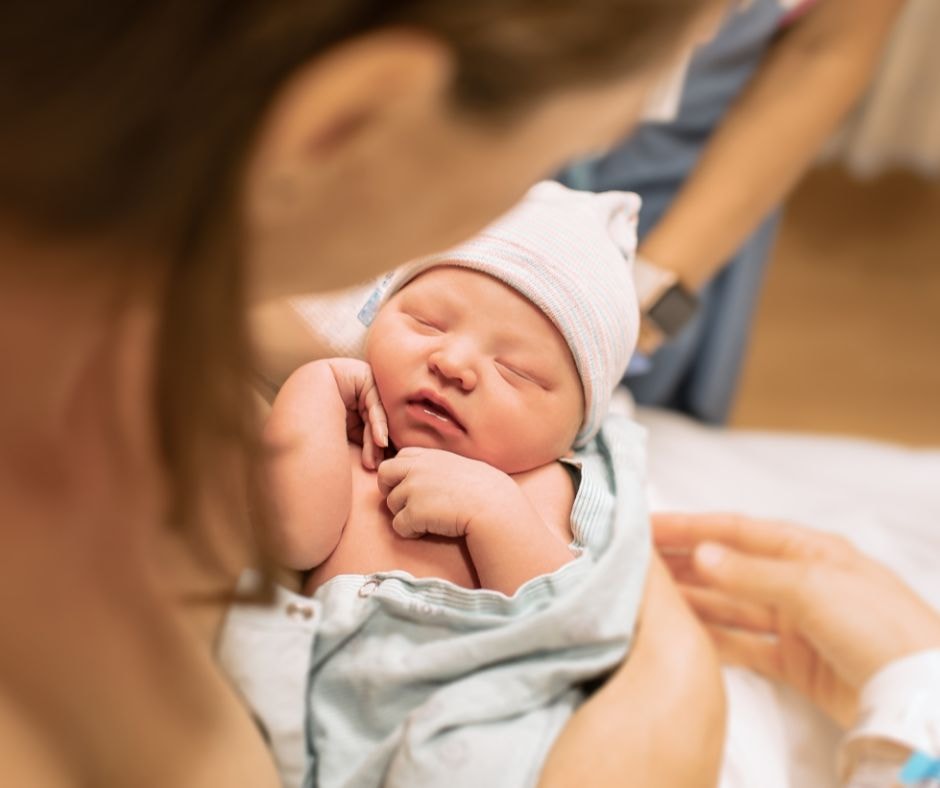
When most people hear the word “adoption,” they picture a closed door. A baby is placed with a family, and the birth mother walks away forever. No contact. No updates. No connection.
That image couldn’t be further from the truth — at least not anymore.
For much of the twentieth century, most adoptions in the United States were closed. Records were sealed, and birth mothers were given little say in the process. But adoption has changed dramatically since then. Starting in the 1980s, as social attitudes shifted and research highlighted the benefits of connection, open adoption began to re-emerge — and today, it’s the most common form of adoption in the country.
The vast majority of adoptions in the United States are now open or semi-open. That means birth mothers and adoptive families maintain some level of contact and communication after placement. And for many birth mothers, this ongoing connection is the thing that brings them the most peace about their decision.
But open adoption is also one of the most misunderstood parts of the adoption process. There are myths, fears, and assumptions that keep expectant mothers from even considering it — and those myths deserve to be corrected. So let’s talk about what open adoption actually looks like, how it works in real life, and why you have far more control over it than you might think.
What Is Open Adoption?
Open adoption is an arrangement where the birth mother and the adoptive family agree to maintain some form of ongoing contact after the baby is placed. What that contact looks like varies widely — and that’s actually the beauty of it. There’s no single template. Open adoption is shaped by the people involved, and it can be as unique as your situation.
At its core, open adoption is built on the idea that a child benefits from knowing their story and where they came from, and that a birth mother benefits from knowing that her child is safe, loved, and thriving. For the adopted child, open adoption supports their identity and development by allowing them to maintain a connection with their biological family, which can be important for their sense of completeness and emotional well-being. The adoption community — including birth parents, adoptive families, and adoptees — also provides valuable support and shared experiences throughout the adoption journey. It’s not about co-parenting. It’s not about shared custody. It’s about connection — the kind that honors everyone involved.
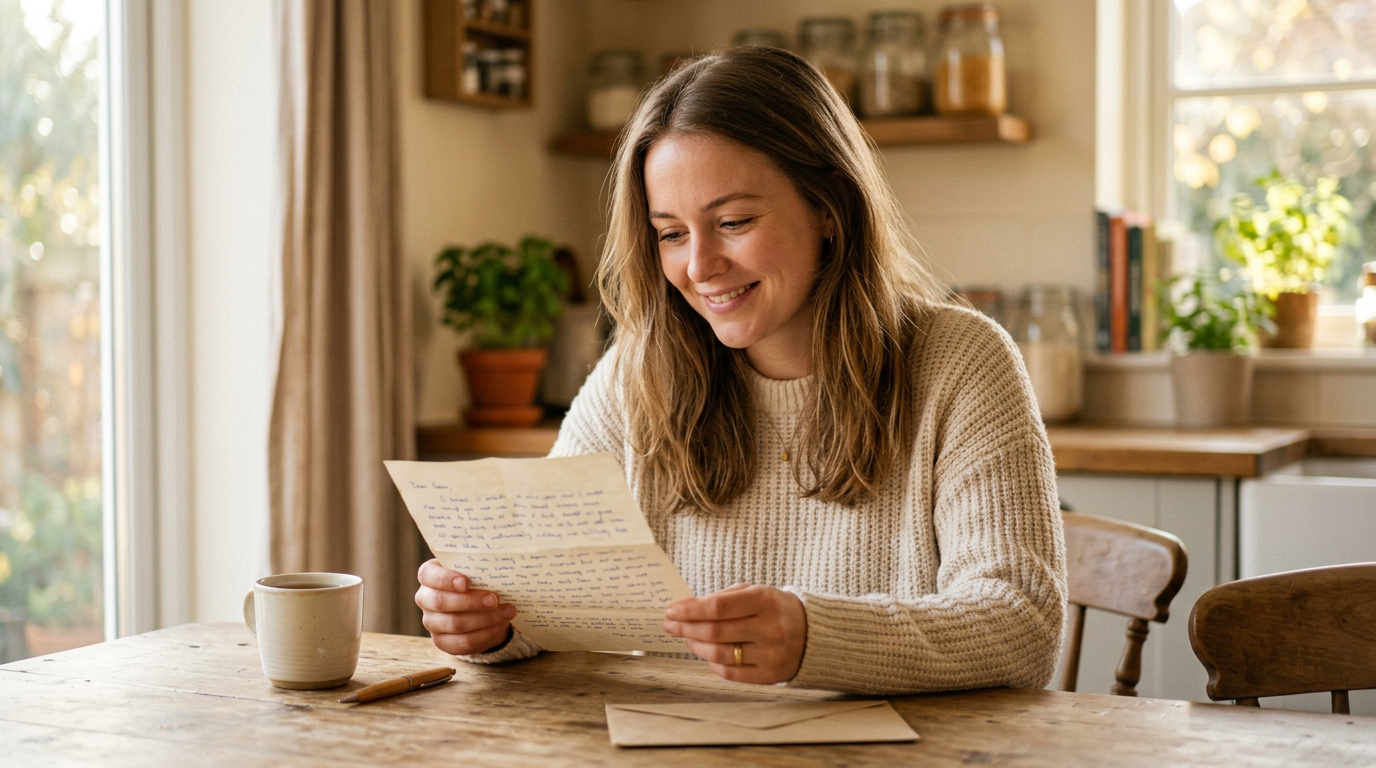
Open adoption can include things like exchanging photos and letters, sending email or text updates, video calls, and even in-person visits. The frequency and type of contact are agreed upon by you and the adoptive family, usually as part of your adoption plan. And the level of openness can evolve over time as everyone grows more comfortable.
What Open Adoption Is Not
Before we go further, let’s clear up what open adoption is not — because these misconceptions are often the biggest barrier for expectant mothers who might otherwise find real comfort in this option.
Open adoption is not co-parenting. You are not sharing parental responsibilities or making day-to-day decisions about how the child is raised. The adoptive parents are the child’s parents. Open adoption simply means there’s a door open between you and the family — one that you helped design.
Open adoption does not mean the adoptive family can take advantage of you. A common fear is that open adoption will be emotionally overwhelming or that boundaries won’t be respected. But a good adoption plan lays out clear expectations, and a good agency helps both sides honor those boundaries. You’re not signing up for something unpredictable. You’re creating a plan that works for you. The emotional impact of open adoption can be complex for everyone involved, but many birth parents and adoptive families find that openness ultimately brings healing and understanding.
Open adoption does not mean you’ll confuse your child. Research consistently shows that children in open adoptions tend to have a stronger sense of identity and fewer feelings of abandonment. Children are aware of their adoption story and relationships, which support their sense of identity as they grow. Knowing their birth mother loved them enough to stay connected — even in small ways — gives them something powerful to hold onto as they grow.
Open adoption is not all-or-nothing. You don’t have to choose between full openness and zero contact. There’s a wide spectrum, and you get to decide where you fall on it.
The Spectrum of Openness: Open, Semi-Open, and Closed
One of the most empowering things about modern adoption is that you get to choose the level of openness that feels right for you. There are three general categories, but think of them more as a starting point than a rigid definition. A common arrangement in open adoption involves exchanging photos and updates between birth and adoptive families, often with periodic contact that may be formalized through agreements.
Open Adoption
In a fully open adoption, you and the adoptive family have direct contact with each other. You know each other’s names and may know where each other lives. Communication happens directly — through phone calls, texts, emails, video chats, or in-person visits. Many open adoptions include regular updates with photos and milestones, and some birth mothers develop a meaningful, lasting relationship with the adoptive family over the years. The most common arrangement involves exchanging regular photos and updates, allowing both birth and adoptive families to stay connected and informed about the child’s growth.
The adoptive mother often plays a key role in maintaining contact and building relationships, sometimes being invited by the birth mother to important appointments or family events. One of the most rewarding aspects of open adoption is witnessing the joy on a child’s face during visits or when receiving gifts from their birth family, highlighting the emotional significance and sense of belonging these interactions provide.
Open adoption works best when both sides communicate openly about expectations and boundaries. It’s not about being best friends — it’s about mutual respect, shared love for the child, and a willingness to keep the door open.
Semi-Open Adoption
In a semi-open adoption, contact between the birth mother and the adoptive family happens through a third party — usually the adoption agency or an adoption professional. You might exchange letters, photos, and updates, but they’re passed through the agency or adoption professional rather than sent directly. This gives you a level of privacy while still allowing you to stay connected to your child’s life. Non-identifying information, such as medical history, may also be shared to help provide important background and health details.
Semi-open adoption is a popular choice for birth mothers who want to know how their child is doing but aren’t quite ready for direct, ongoing contact. It offers a comfortable middle ground, and many birth mothers find that it gives them exactly the right amount of connection.
Closed Adoption
In a closed adoption, there is no identifying information shared between the birth mother and the adoptive family, and no ongoing contact after placement. While closed adoptions were once the standard in the United States, they’re much less common today. Most adoption professionals now encourage at least some level of openness because of the benefits it provides to the child.
That said, if a closed adoption is what feels right for you, that choice is respected. No one will pressure you into more contact than you’re comfortable with. Your comfort and well-being matter throughout this entire process.
Understanding the Adoption Triad
Open adoption is often described as a journey shared by three key participants: the birth parents, the adoptive parents, and the child. Together, they form what’s known as the adoption triad — a unique relationship at the heart of every adoption story.
Each member of the triad brings their own perspective, hopes, and emotions to the process. As a birth parent, you are making a courageous decision to create an adoption plan for your child, and open adoption offers the comfort of staying involved in their life. Adoptive parents step into the role of providing a loving, stable home while embracing the opportunity to build a relationship with the birth family. And at the center of it all is the child, who benefits from the love and support of both families.
The beauty of the adoption triad is that it’s not about dividing love or loyalty — it’s about expanding the circle of people who care deeply for the child. Through shared milestones and open communication, all parties can form a relationship that honors everyone’s role and supports the child’s life story.
You Choose the Level of Openness
This is the part that surprises many expectant mothers: you decide how open the adoption will be. Not the agency. Not the adoptive family. You.
When you create your adoption plan, one of the key decisions you’ll make is the level of contact you’d like after placement. The majority of expectant mothers considering adoption are looking for an adoptive family with whom they can have a personal relationship during and after the adoption process. You’ll have the opportunity to discuss your preferences with your adoption counselor, who can help you think through what might work best for your emotional needs and your hopes for the future.
Some questions that might help you think about it:
Would it bring you comfort to see photos of your child as they grow? Would you like to exchange letters or emails on birthdays or holidays? Would you like to meet the adoptive family in person from time to time? Or would you prefer to know your child is loved and happy without direct contact?
There are no wrong answers. And whatever you decide now doesn’t have to be permanent. Many open adoption arrangements evolve naturally over time. Some birth mothers start with less contact and gradually move toward more as they feel ready. Others start with more openness and settle into a rhythm that works for their life. The key is that you’re never locked into something that doesn’t feel right.
What Open Adoption Looks Like in Real Life
On paper, open adoption can sound complicated. In practice, it often looks much simpler — and much more natural — than people expect.
For some birth mothers, open adoption looks like receiving a text with a photo on the first day of school, a short video of the baby’s first steps, or an email letting them know about a milestone at the pediatrician. For others, it means meeting up once or twice a year at a park or restaurant, watching their child grow, and knowing that the adoptive and birth families welcome each other as part of the child’s story.
Some birth mothers exchange letters a few times a year through the agency. Some are connected with the adoptive family on social media. Some have a close, family-like relationship, where the child’s extended family includes not only adoptive relatives but also biological relatives, creating a broader support network. And some prefer a quieter form of connection — updates through the agency, a letter in a file that the child can read someday.
What makes an open adoption experience work isn’t a specific schedule or format. It’s the mutual commitment to honoring the child’s story and respecting each other’s roles in it. Each open adoption experience is unique, shaped by the individuals involved and their stories. When both sides approach it with love and good faith, open adoption can positively influence a child’s sense of identity and become one of the most meaningful relationships in everyone’s life.
Navigating Changes in Your Open Adoption
One thing worth knowing is that open adoption relationships aren’t static — they grow and change, just like any meaningful relationship. Birth parents and adoptive parents may need to revisit their adoption plan as life evolves, and that’s completely normal.
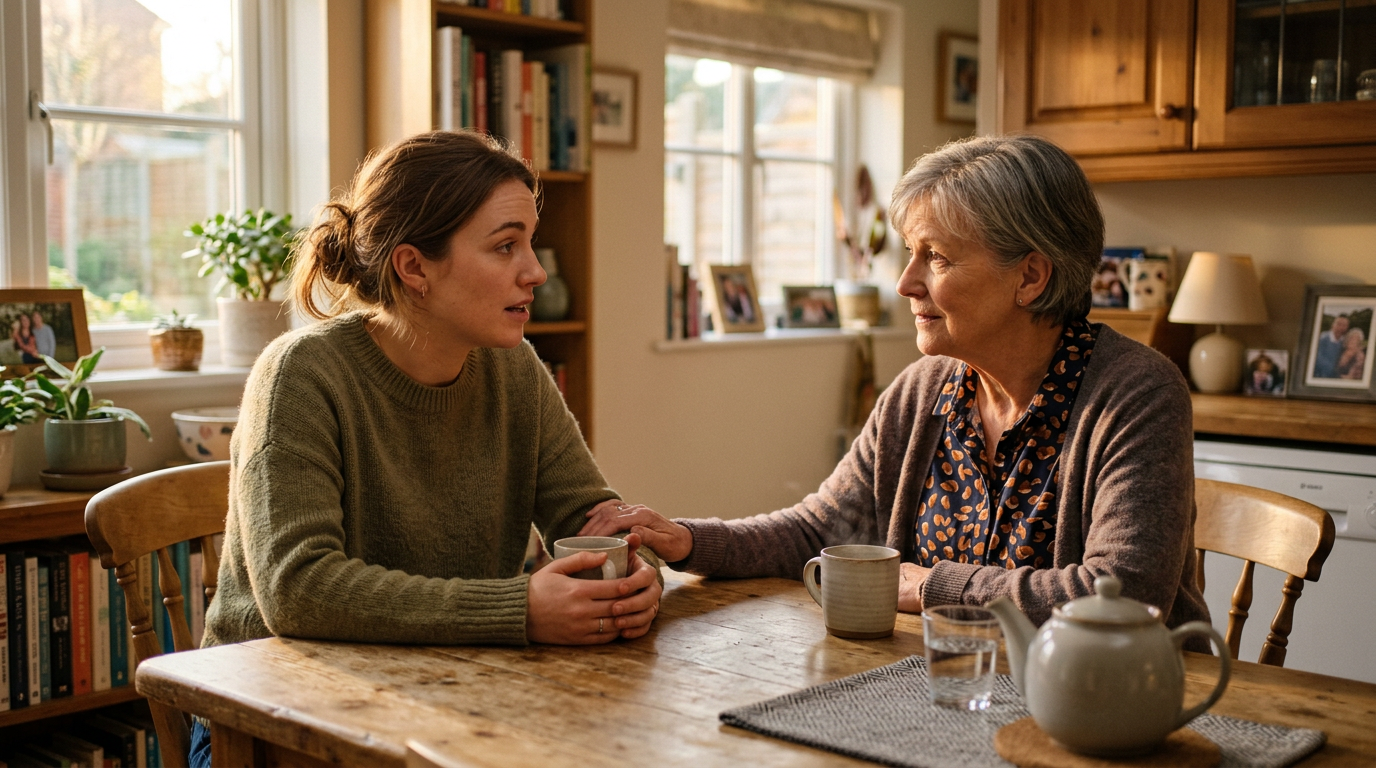
The key is flexibility and honest communication. If you need more space at any point or would like more connection than you originally planned, those conversations are always welcome. Your adoption agency can help facilitate these discussions and provide counseling or support when emotions run high.
Open adoption agreements can be informal or more structured, depending on your preferences and your state’s laws. Some states recognize these agreements as legally enforceable, while others treat them as good-faith commitments. Your adoption counselor will help you understand what applies to your situation and ensure you feel confident about the arrangement you’ve created.
What matters most is that both sides approach the relationship with respect, patience, and a shared commitment to what’s best for the child. When that foundation is in place, open adoption can be a source of strength and connection for everyone involved.
Common Fears About Open Adoption — And the Truth Behind Them
It’s completely normal to have fears about open adoption. You’re making one of the biggest decisions of your life, and the unknown can feel overwhelming. Let’s walk through some of the most common concerns and what the reality actually looks like.
“I’m afraid it will be too painful to stay connected.” Many birth mothers worry that seeing their child will make the grief worse. But most birth mothers who choose open adoption report the opposite — that knowing their child is happy and thriving actually brings healing. The pain of not knowing can often be harder than the bittersweet beauty of staying connected.
“What if the adoptive family cuts me off?” This is a valid concern, and it’s one reason why choosing the right agency matters. At Open Arms, we facilitate honest conversations between birth mothers and adoptive families about expectations before placement happens. We help build a foundation of trust and communication so that the relationship has the best chance of lasting.
“What if my child is confused about who their ‘real’ parent is?” Children in open adoptions actually tend to have a clearer, healthier understanding of their identity. They grow up knowing that they were placed out of love, not rejection. And they don’t have to fill in the blanks with their imagination — they have real answers and real connections.
“What if I change my mind about how much contact I want?” That’s okay. Open adoption arrangements aren’t set in stone. If you need more space or if you want more connection, you can have that conversation. A good agency supports both sides in navigating those changes with grace.
The Benefits of Open Adoption for Your Child
While this guide is written for you as an expectant mother, it’s worth talking about why open adoption is increasingly recommended by adoption professionals across the country. The reason is simple: it’s good for the adopted child.
Research beginning in the 1970s showed that open adoption was beneficial for children, and this understanding has continued to grow. Adopted children who grow up in open adoptions tend to have a stronger sense of identity. They know where they came from. They know their birth mother loved them. They don’t carry the weight of unanswered questions or the fear that they were unwanted. Instead, they carry the knowledge that their story began with love — and that the people who are part of that story, including their biological family, are still present in their life in some way.
Open adoption also helps adopted children develop healthier attachments and a more complete understanding of who they are. It doesn’t replace the bond with their adoptive parents — it adds to it. It gives them a fuller picture of their life and the love that surrounds them.
Birth fathers also play an important role in open adoption. Their involvement and ongoing relationship can be significant for the adopted child, providing additional clarity and connection to their adoption story.
For many birth mothers, knowing that open adoption benefits their child is the thing that brings the most peace. You’re not just making a plan for your child’s immediate future—you’re giving them a gift that will shape how they see themselves for the rest of their lives.
How Open Arms Supports Open Adoption
At Open Arms Adoption Agency, we believe open adoption is a powerful, loving choice — and we’ve seen firsthand how it transforms lives. Our staff members have personal experience with adoption, and that lived experience shapes the way we help birth mothers and adoptive families build lasting, healthy connections.
We serve the Western United States, with a focus on Washington and Arizona. Our own licensed social workers conduct home studies across our multi-state service area, which means we know the adoptive families personally. We can tell you about them beyond what’s in a profile — their character, their values, and how they’ve expressed their commitment to openness.
When you work with Open Arms, we help you define what open adoption looks like for you. We facilitate conversations between you and the adoptive family so that expectations are clear and everyone feels respected. And after placement, we continue to be a resource for both sides — helping navigate the evolving relationship with care and understanding.
Our philosophy is simple: you are in control. You decide the level of openness. You decide what feels right. And we’re here to support you in that decision for as long as you need us.
Your Choice, Your Terms, Your Peace
Open adoption isn’t what most people think it is. It’s not scary. It’s not complicated. And it’s not about losing control — it’s actually about having more of it.
When you choose open adoption, you’re choosing to stay connected to your child’s story in a way that feels right for you. You’re choosing to give your child the gift of knowing where they came from, understanding their birth story, and that they were placed with love. And you’re choosing a path that countless birth mothers before you have described as the thing that brought them the most comfort and peace.
If you’re considering adoption and want to learn more about what open adoption could look like for you, we’d love to talk. No pressure, no commitment — just a conversation with someone who understands.
Call or text us anytime at 206.492.4196. We’re available 24/7, and we’re here for you.