


Being pregnant and alone is a particular kind of hard. It isn't only the pregnancy. It's doing the pregnancy without the person you assumed would be standing next to you, and dealing with everyone's opinion about that.
Maybe the father is gone or checked out. Maybe your family reacted badly, or you haven't told them because you already know how it will go. Maybe you moved somewhere new and your friends are hundreds of miles away. However you got here, the loneliness is real and you're not imagining how heavy it is.
Here's the part worth holding on to: alone right now is not the same as alone for the rest of this. There is more support available to you than you can see from where you're standing, and most of it is free.
Facing an Unplanned Pregnancy on Your Own
The isolation of an unplanned pregnancy is frequently worse than the practical problems. The practical things have solutions. The feeling of facing something enormous by yourself is harder to solve, and it distorts your thinking in a specific way: it makes every problem look permanent.
It isn't. Your situation two months from now will not be your situation today, and the version of you making decisions right now is exhausted, scared, and running on very little sleep. That version of you does not have to decide anything permanent this week.
If you're in that overwhelmed place right now, I'm pregnant and scared is written for exactly this moment.
Building a Support System From Scratch
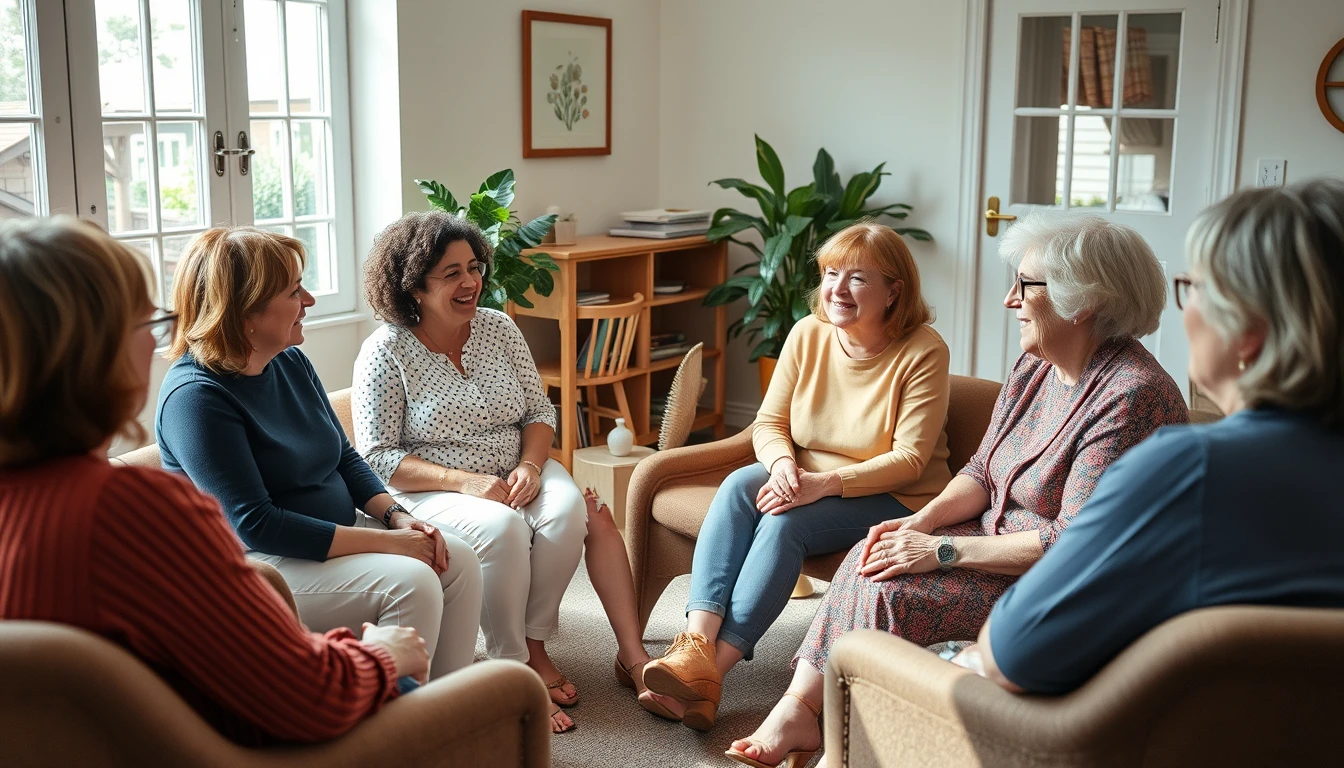
A support system doesn't have to look like a family. Plenty of pregnant women build one out of people who weren't in their life a year earlier.
Start with one person. Not a group, not an announcement. One person who has been decent to you. A cousin, an old friend, a coworker, a teacher. Most women find the first conversation is the hardest and every one after it is easier.
Pregnancy support groups exist and they're free. Many hospitals, community health centers, and clinics run support groups for pregnant women, including groups specifically for single moms and for women without family support. Being in a room with people in the same position changes the loneliness faster than almost anything else.
Online support groups count. If you're rural, or not ready to be seen, or simply can't get anywhere, there are many online support groups for pregnant women and single parents. It is not a lesser version of support. For a lot of women it's the first place they say the true thing out loud.
Your prenatal provider is part of your support system. Doctors, midwives, and clinic social workers deal with pregnant women in exactly your situation constantly. Telling your provider you're doing this alone is not oversharing; it's information that lets them connect you to resources you don't know exist.
Practical Help for Single Parents Right Now

The support you need isn't only emotional. Here's what's actually available:
- Free or low-cost prenatal care. Community health centers and Planned Parenthood clinics provide prenatal appointments on sliding-scale or no-cost terms. Medicaid covers pregnancy in every state, and eligibility during pregnancy is much broader than people assume.
- WIC. Food assistance for pregnant women, new mothers, and young children. Income limits are more generous than most people expect.
- Baby gear and supplies. Local pregnancy resource centers, churches, and community organizations frequently provide car seats, cribs, clothing, and diapers at no cost. Some run a points system so you choose what you actually need.
- Housing help. Maternity homes and transitional housing programs exist in most states for pregnant women who don't have stable housing.
- Maternity leave and job protection. Depending on your employer and your state, you may have more protection than you think. Ask before you assume you'll lose your job.
- Legal help. Free legal aid exists for questions about the father's rights and obligations, including child support.
Our guide to financial help for pregnant women goes through these in more detail, and if you're in school, pregnant in college covers the specific supports available to students.
Finding a Support Group That Fits You
Not every support group suits every woman, and the first one you try may not be the one you stay with. It's worth trying more than one.
Hospital and clinic groups tend to be practical: what to expect at each stage, what happens at prenatal appointments, how labor actually goes. Useful if what you want is information and a room of people at the same stage.
Groups for single moms are a different thing. The conversation is about doing this without a partner, and about the specific logistics of it, from childcare to custody to how you get to appointments without a ride. If your isolation is mostly about being the only one alone, this is the support group that helps.
Pregnancy resource centers often run groups alongside their material help, so you can pick up baby gear and sit with other pregnant women in the same visit.
Online support groups run around the clock, which matters at 3am when the panic arrives and nobody local is awake. Many women use an online group for the middle-of-the-night hours and an in-person group for the daytime.
Groups for women considering adoption exist too, and they're worth knowing about if that's on your mind. Talking to women who've been through it, including those who chose to parent in the end, gives you something no brochure will.
Preparing for When the Baby Arrives
If you're planning to parent, some of the loneliness eases once the practical side has a plan attached to it.
Work out who will be with you at the birth. It does not have to be a partner or a parent; a friend, a sister, or a doula works. Many hospitals and community programs provide free or low-cost doula support specifically for women who are single and pregnant, and having one person whose only job is to be on your side changes labor considerably.
Sort out the first two weeks at home before the baby arrives, because that's the stretch where being alone is hardest. Who checks on you. Who can bring food. Who you call if something feels wrong. Line up a car seat early, since most hospitals won't discharge you without one, and pregnancy resource centers frequently supply them free.
Then find out where your ongoing support comes from: WIC appointments, a pediatrician, a new-parent group, childcare options if you're going back to work. Single parents who do well are rarely the ones with the most resources. They're the ones who lined a few up in advance.
When the Father Isn't There
Sometimes the loneliest part is that the person who should be here isn't.
A few things worth knowing. His absence does not remove his legal obligations, and it doesn't erase his legal rights either, which matters if you're weighing adoption. It also doesn't obligate you to chase him. Some women want the father involved and some very much don't, and both are legitimate.
If you're trying to work out where he stands legally, what birth fathers need to know explains it in plain language.
When Family Reacts Badly
The reaction you get in the first week is often not the reaction you'll get in the third month. Shock says things that time takes back. That doesn't excuse anyone treating you badly, and it doesn't mean you should sit and absorb it, but it does mean an initial bad reaction isn't necessarily the final word.
If telling your family is the thing you're dreading most, how to tell your parents you're pregnant may help you plan it.
And if the honest answer is that your family will not be a source of support, then building the system described above matters more, not less. Plenty of women do this without their families and come through it fine.
You Still Have Every Option
Being alone in a pregnancy does not narrow your choices down to one. All of them remain genuinely open to you.
You can parent. Single parents raise happy, well-adjusted children constantly, and being alone now doesn't mean being alone throughout. You can make an adoption plan, choosing the family yourself and deciding how much ongoing contact you want. Or you can take more time before deciding anything, which is a legitimate position and not a failure to decide.
We are an adoption agency, and we will still tell you plainly: adoption is one option among several, and it is not the right one for every woman. Anyone who pushes you toward a particular answer, in either direction, is not helping you.
It's also worth knowing that nothing you look into now locks you in. Reading about adoption doesn't start it, talking to an agency doesn't commit you to it, and even if you go further, you can change your mind during the period before consent becomes final. Those timelines vary by state, and you're entitled to know exactly what they are where you live before anything is signed. If you want to think through the comparison honestly, adoption vs. parenting lays out both sides, and all three choices covers the full picture without steering.
The Open Arms Perspective
We're a small licensed agency serving Washington, Arizona, and Idaho, and part of why we do this the way we do is that members of our staff have personally lived adoption. We know what it is to be on your side of a phone call.
That's why we don't run a sales process. If you call us and it becomes clear that parenting is what you want, we will help you find the resources for that and you will never hear from us again in a pitching way. If you're somewhere in the middle and just need to talk it through with someone who won't flinch, that's a completely valid reason to call. Nothing about talking to us commits you to anything, and every decision stays yours, including changing your mind later.
You Can Call Any Time
There's no script you need and no decision you need to have made. If you're pregnant and alone and just want a person on the other end of the line, that's enough of a reason.
Call or text 206.492.4196, any hour, day or night. It's always free, there's never any pressure, and you can tell us as much or as little as you want. You can also contact us here or look through our resources for expectant mothers on your own time.